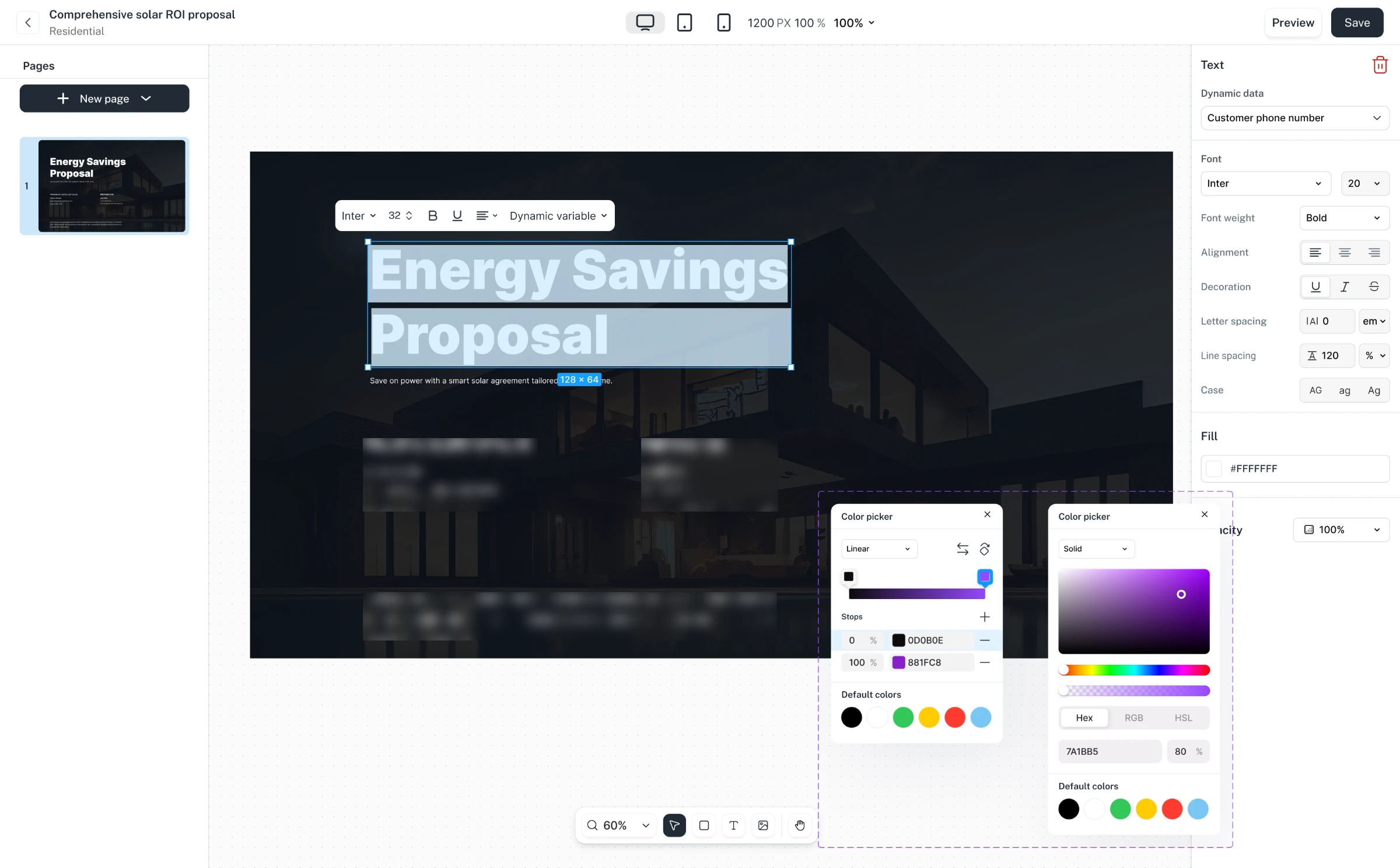
Some details are blurred for privacy.
Proposal Studio: Building branded proposals with dynamic data
Designing a flexible proposal studio for solar, roofing, and general trade installers without losing structure.
Contractors were building their proposals in other tools. I designed Proposal Studio so each company can create branded templates once, and let Feldy fill in every customer’s details.
- Roles
- Product design, UX design, Interaction design, Design leadership
Proposals were happening somewhere else
Contractors were creating and sending proposals in other tools. Customers asked us for a way to build them in Feldy, and several features we had planned pointed the same way.
But a proposal isn’t a form. It’s how a company introduces itself to a homeowner. A solar installer and a roofer present themselves differently, so one generic layout for everyone wouldn’t work.
The only designer on it
I was the sole product designer on Proposal Studio. I designed how proposals are built and customised: reusable templates, proposal pages, branding options, dynamic data, and the editor interactions that hold them together.
One template, in each company’s own voice
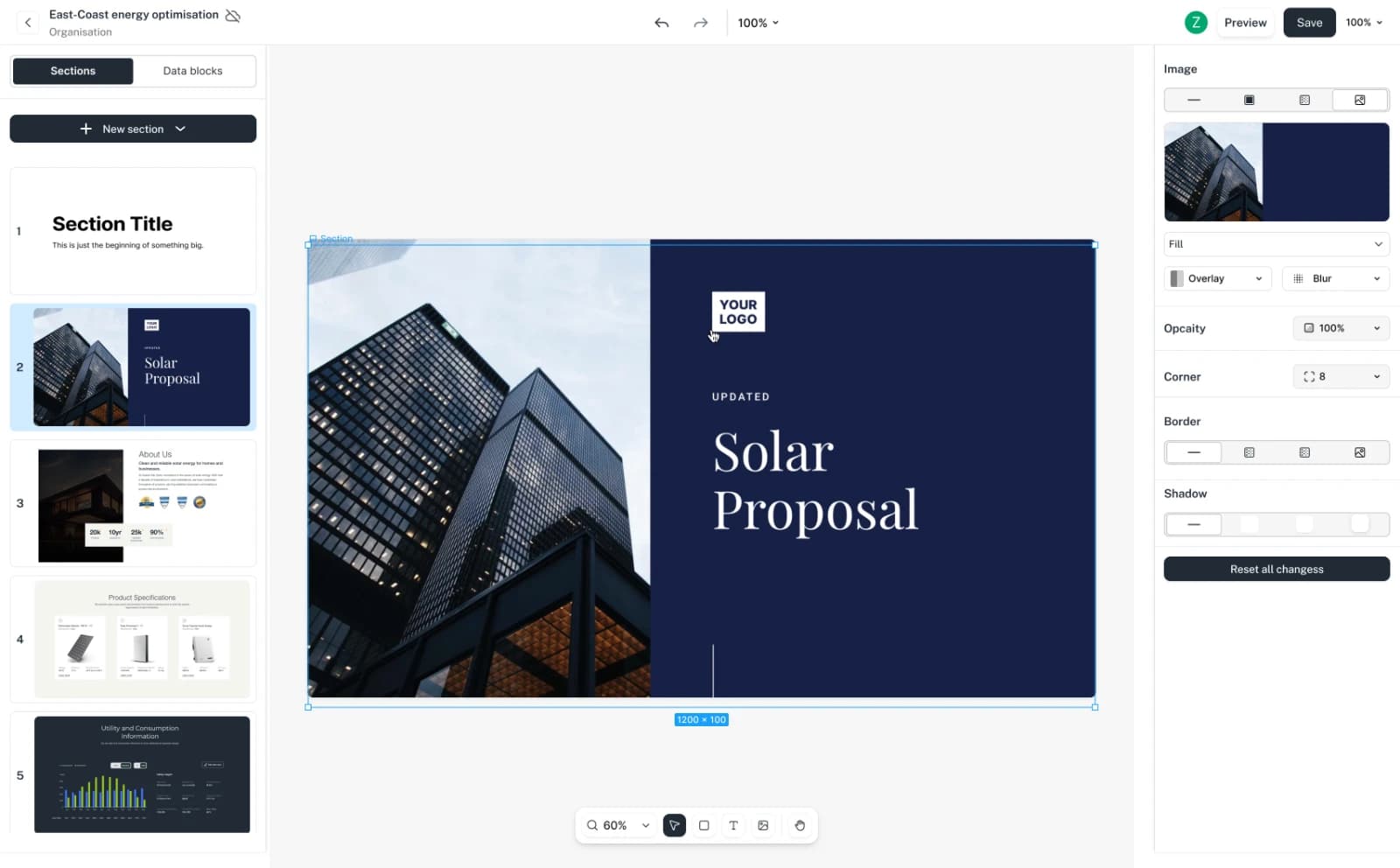
Instead of building a proposal for every customer, contractors design a template once and reuse it.
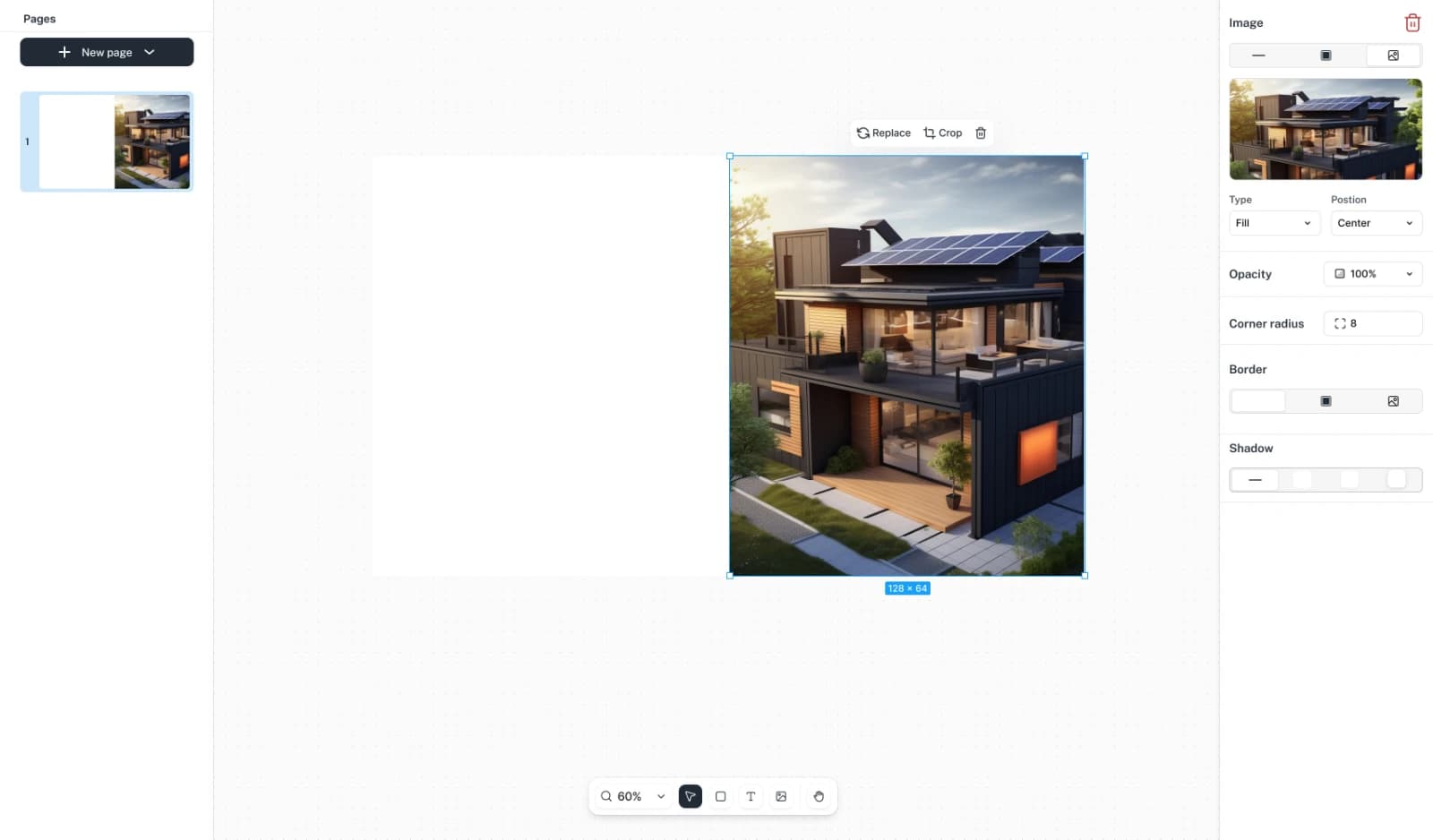
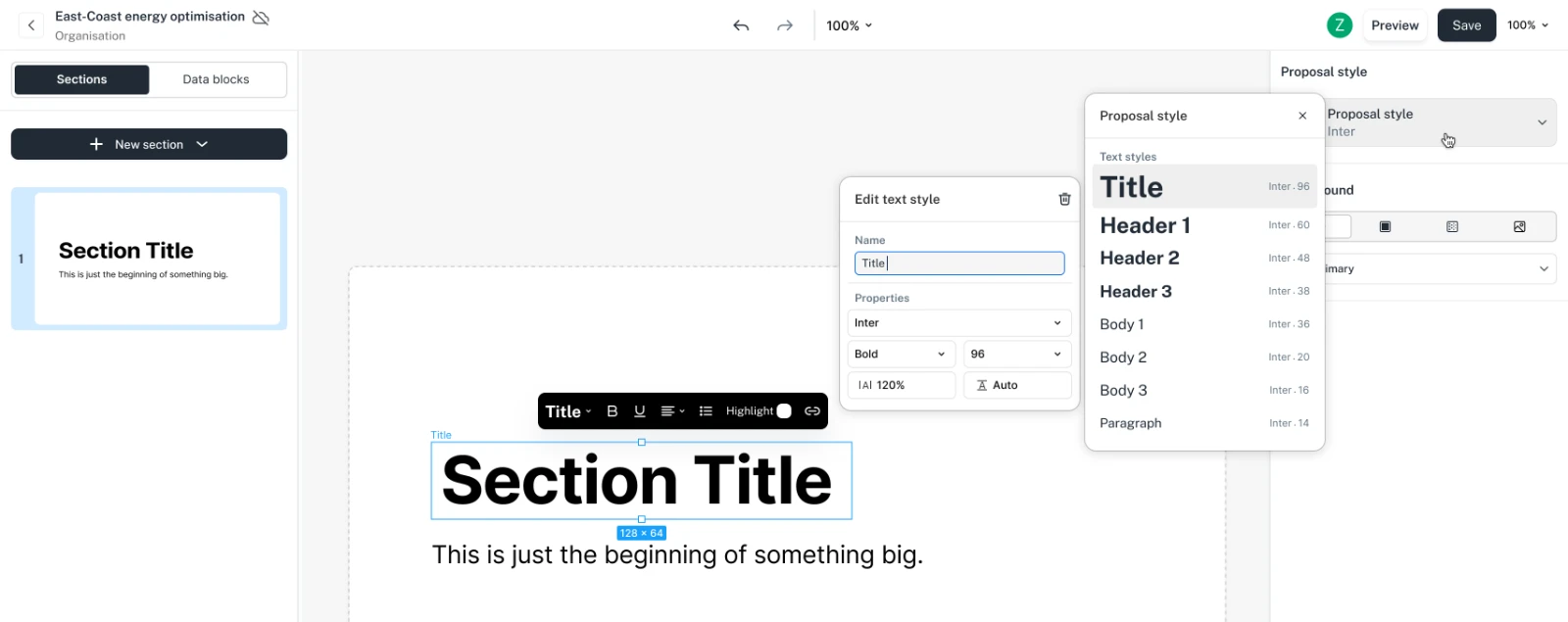
A template is a set of pages, with ready-made ones for residential, commercial and roofing work. Contractors add, arrange and hide pages, and set their own colours, fonts, images and words.
That’s where their brand lives: how the proposal looks, how the content is laid out, and the tone they use with homeowners.
The deal fills in the details
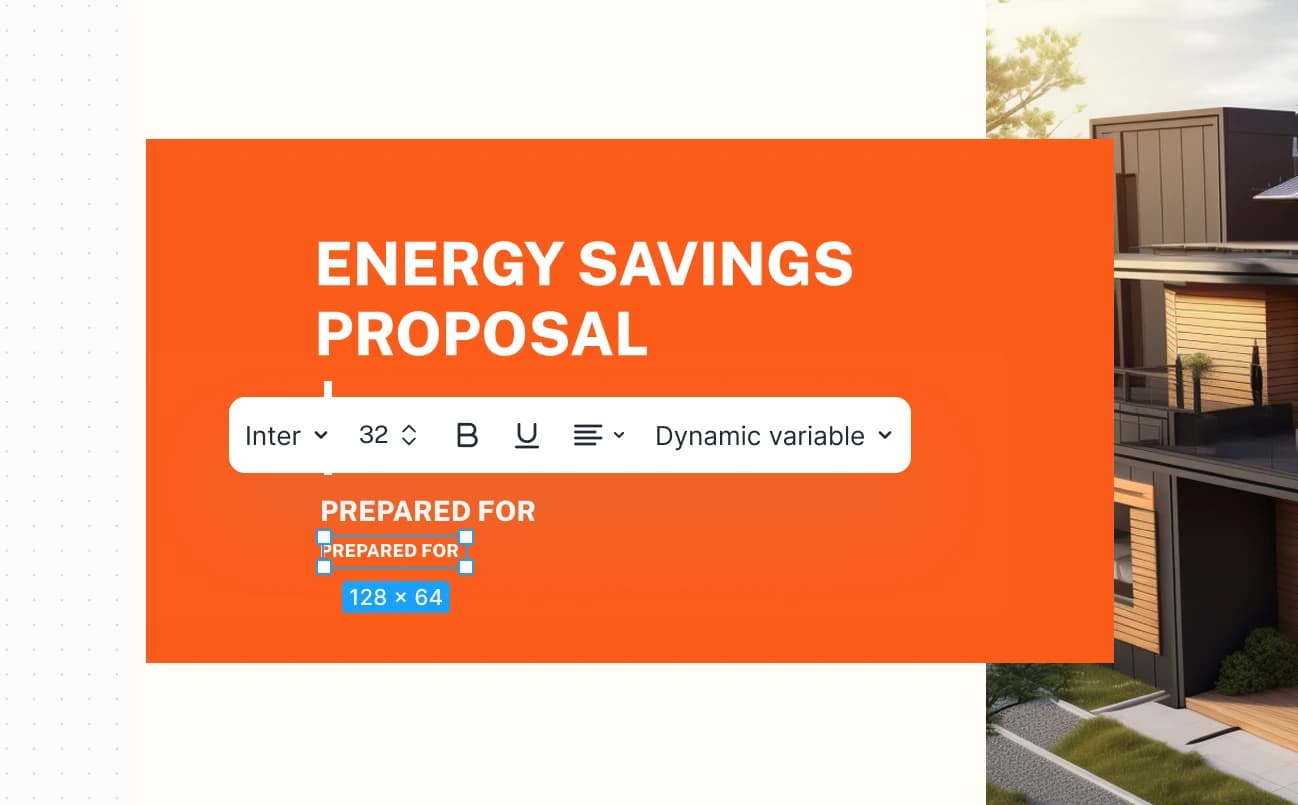
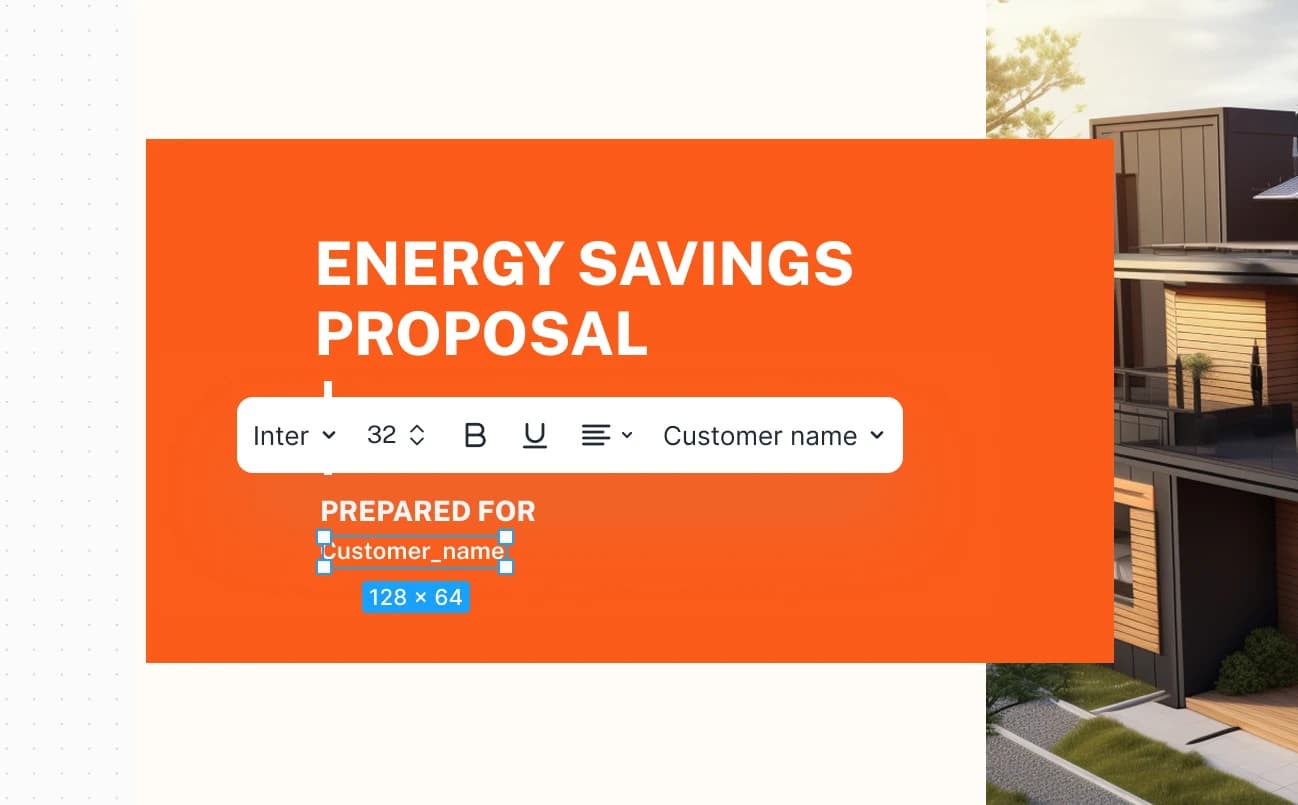
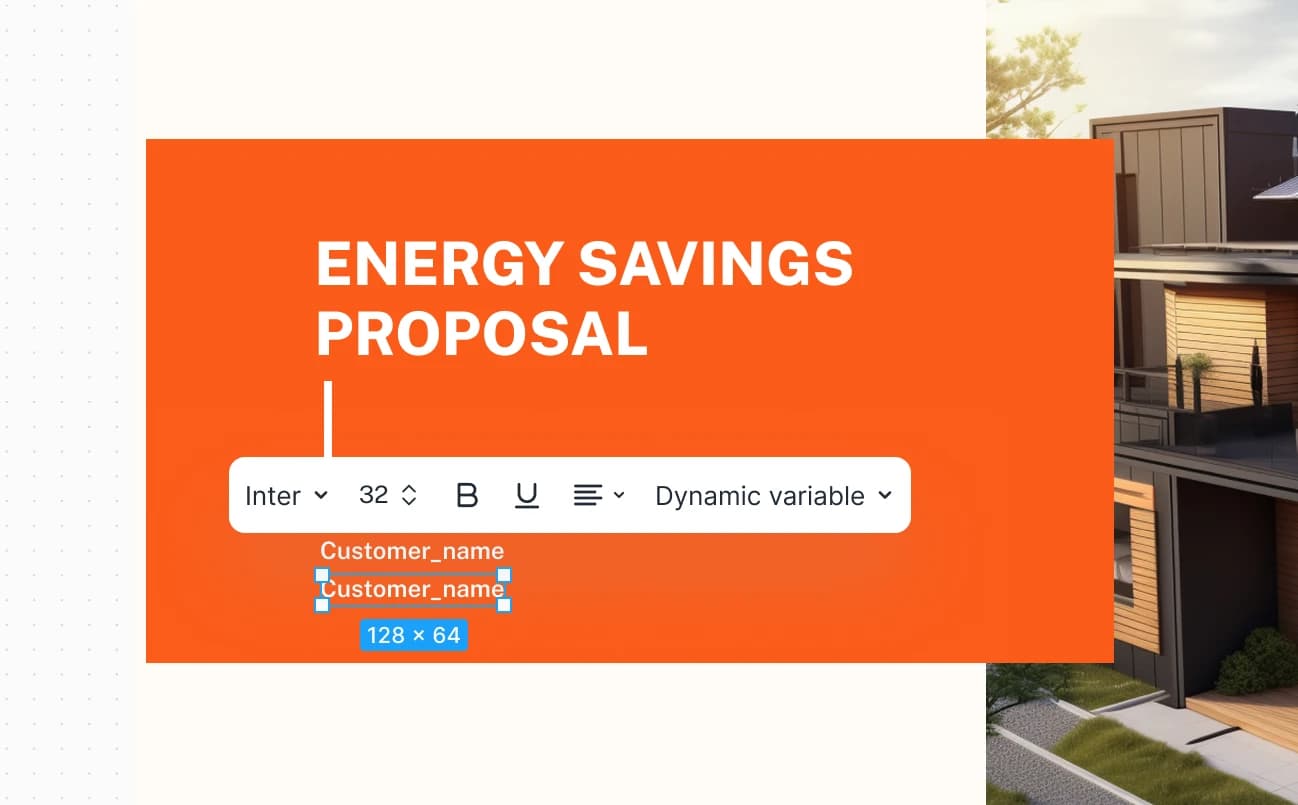
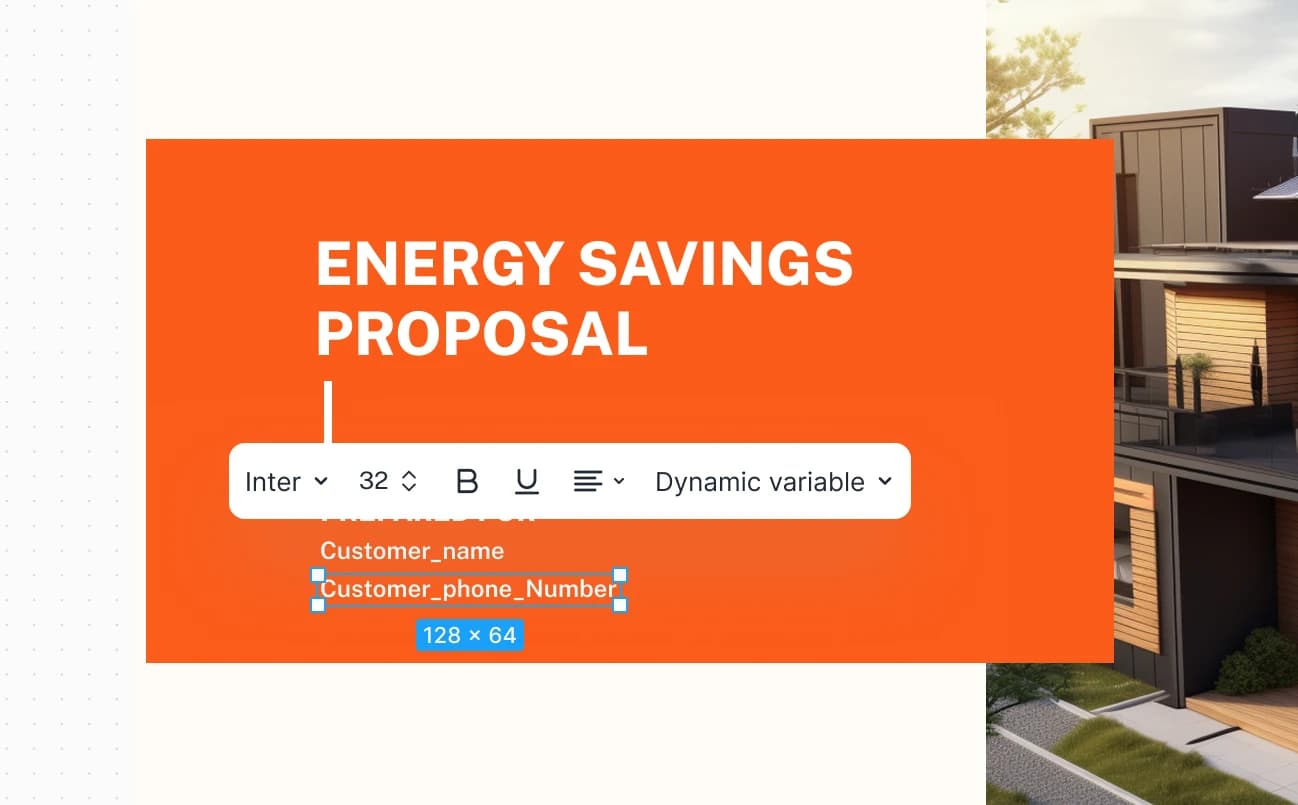
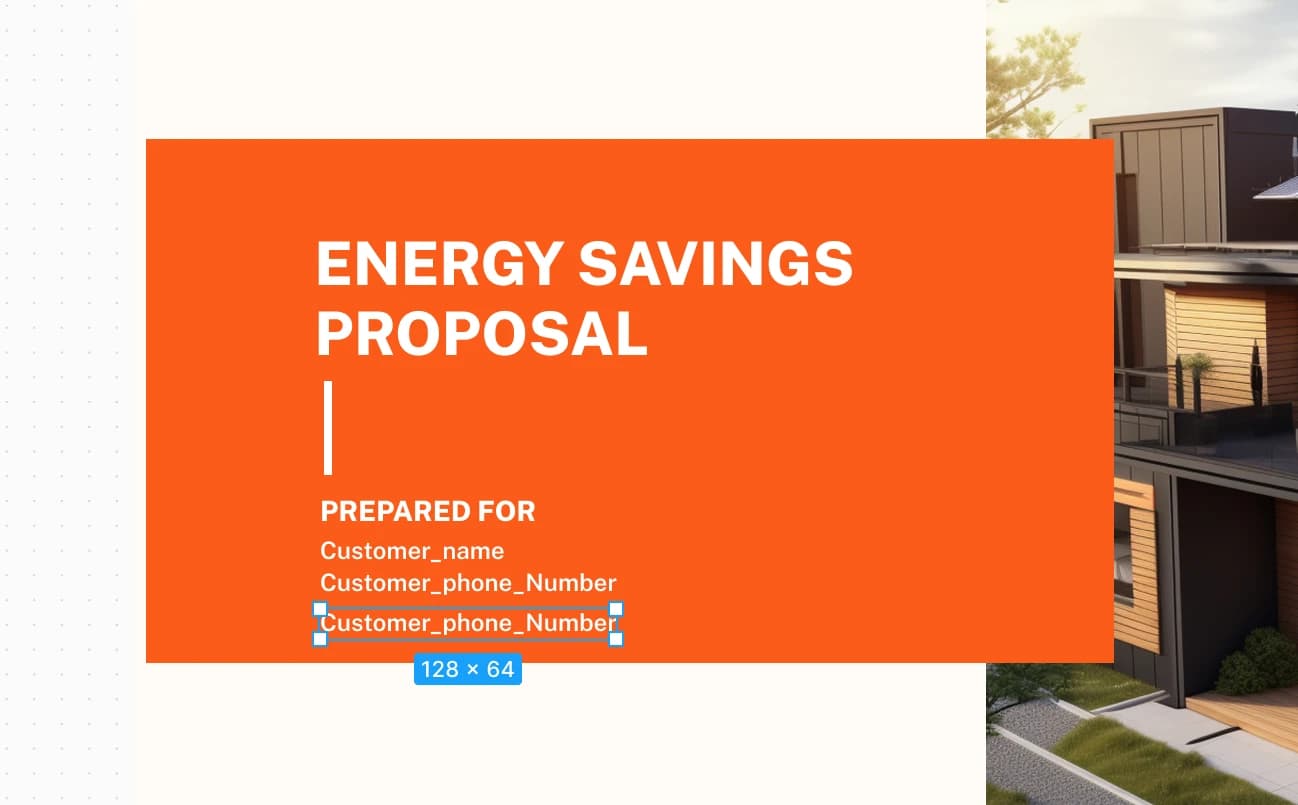
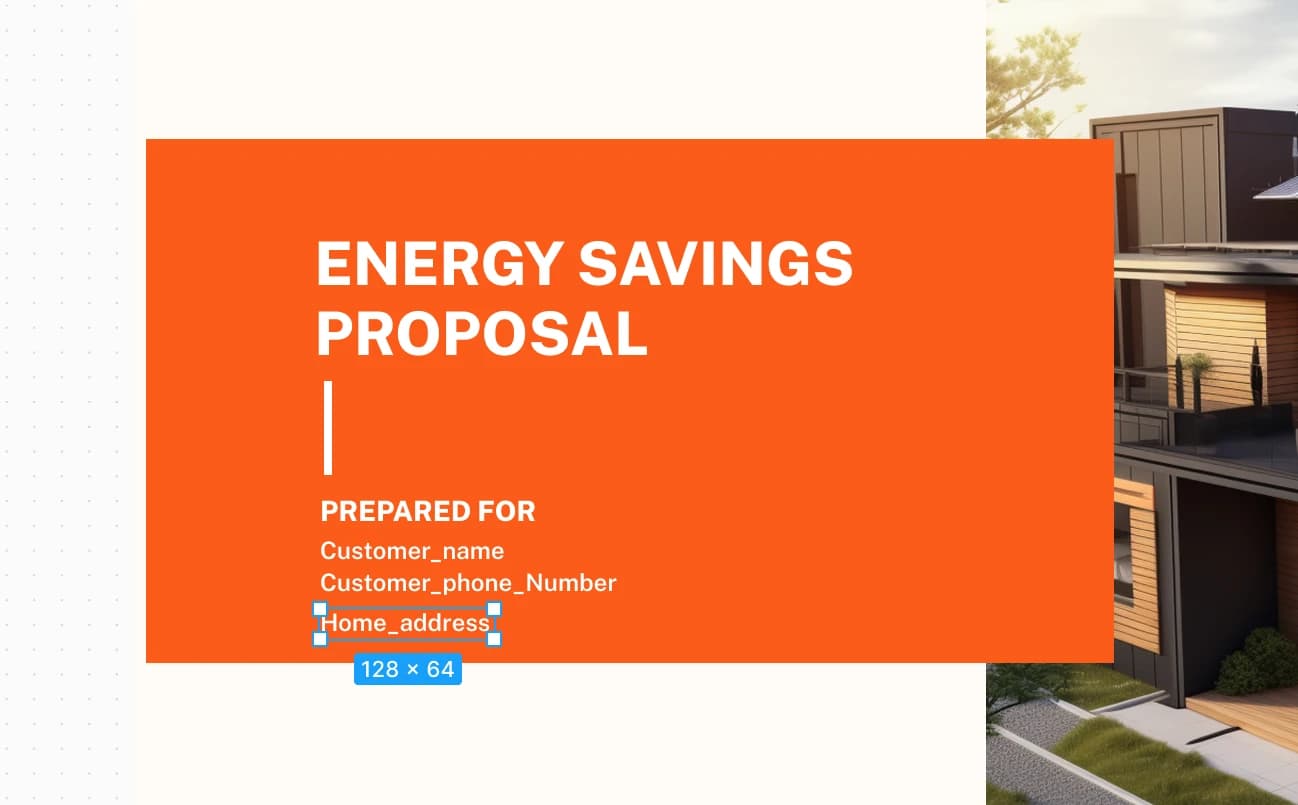
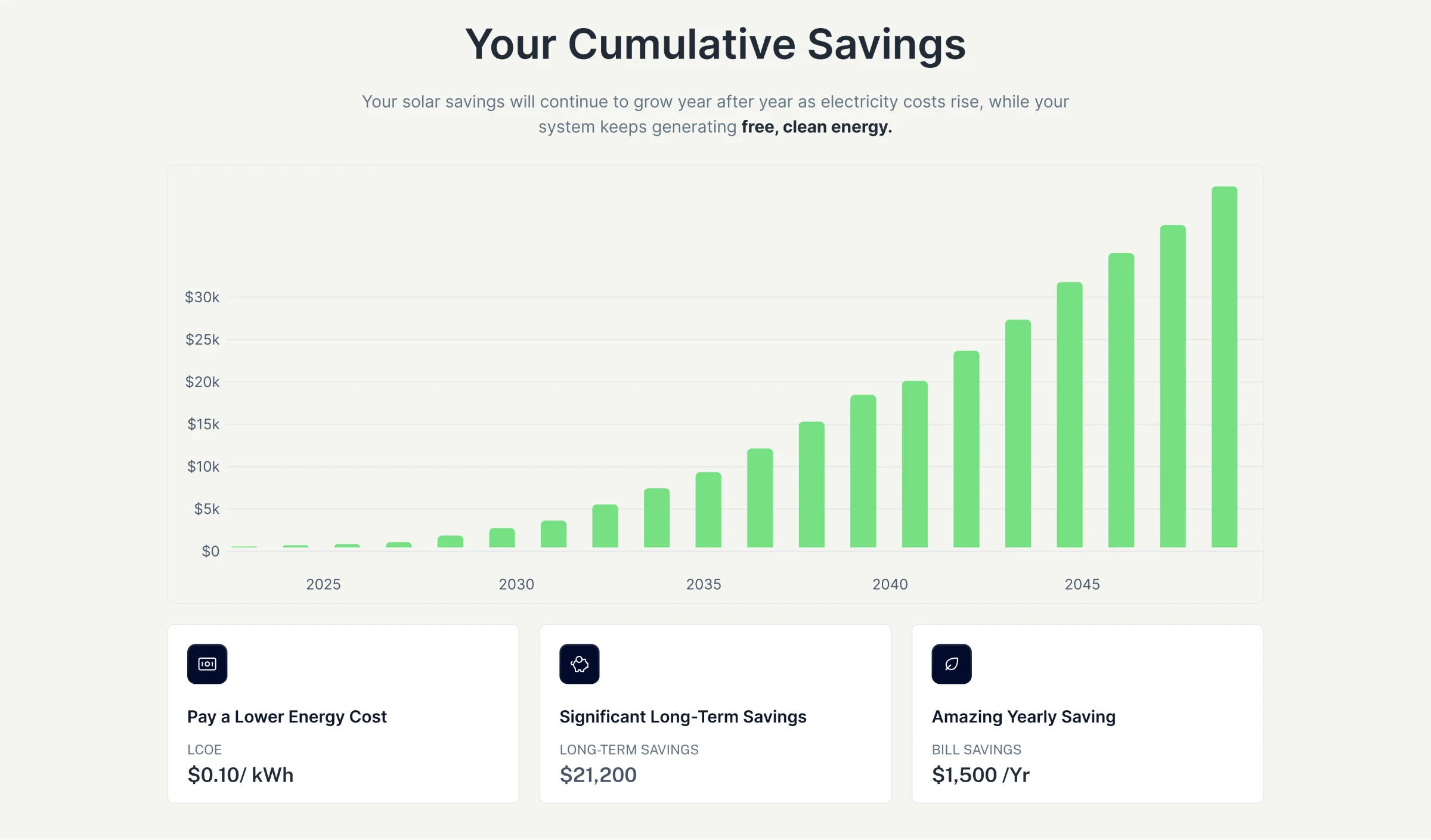
When contractors prepare a proposal inside a deal, they choose a template. Dynamic variables and Data blocks then fill in that deal’s information automatically.
Designed once, in the template
The company’s pages, layout, branding and wording.
Filled in from each deal
The homeowner’s details, estimate pricing and line items, solar production and usage, battery savings, and a preview of the 3D design.
So the same branded template works for every customer, without retyping names, prices or project details each time.
Flexible, without feeling like a design tool
Most contractors aren’t designers, so the editor had to stay simple while giving them real control.
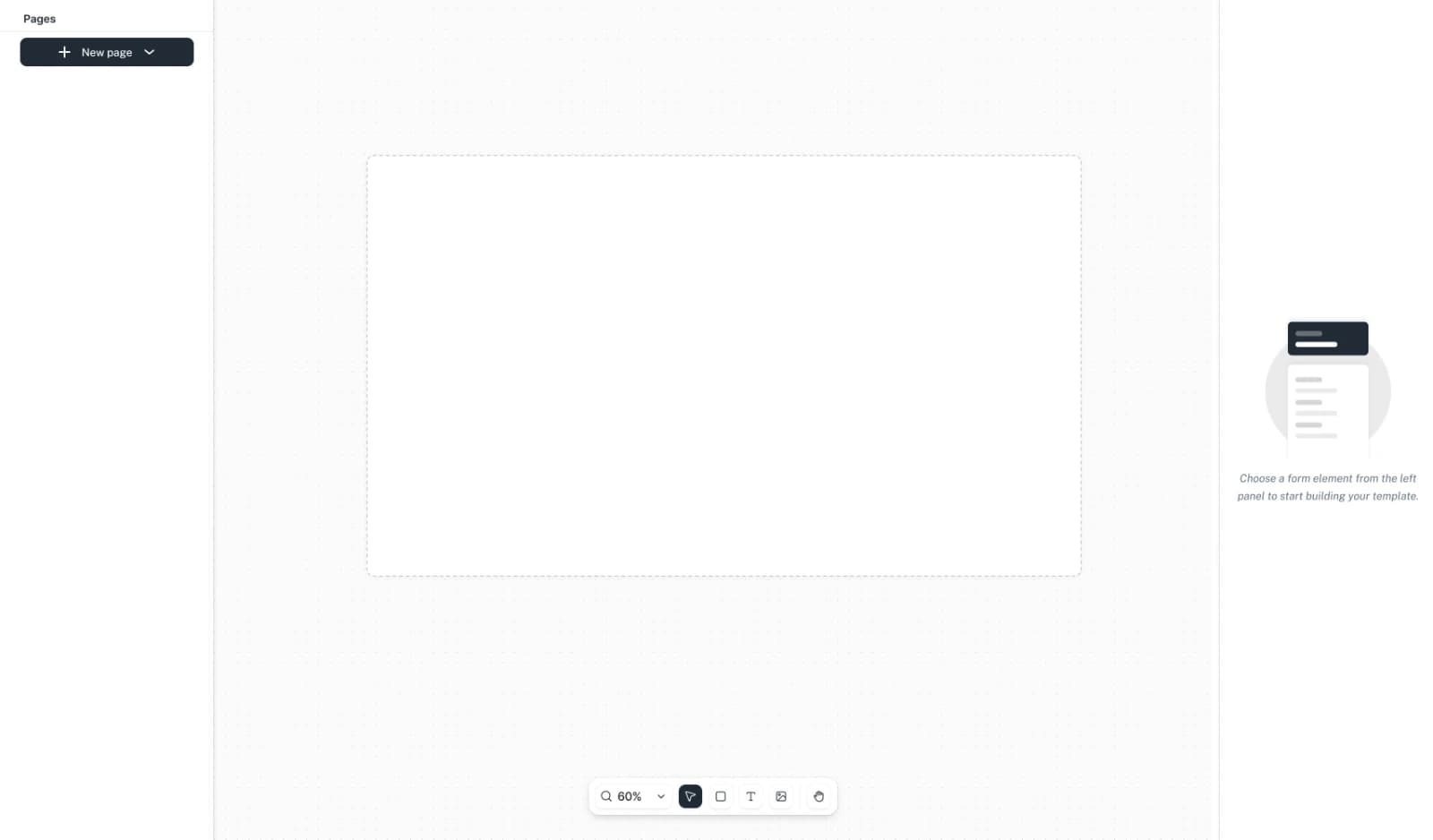
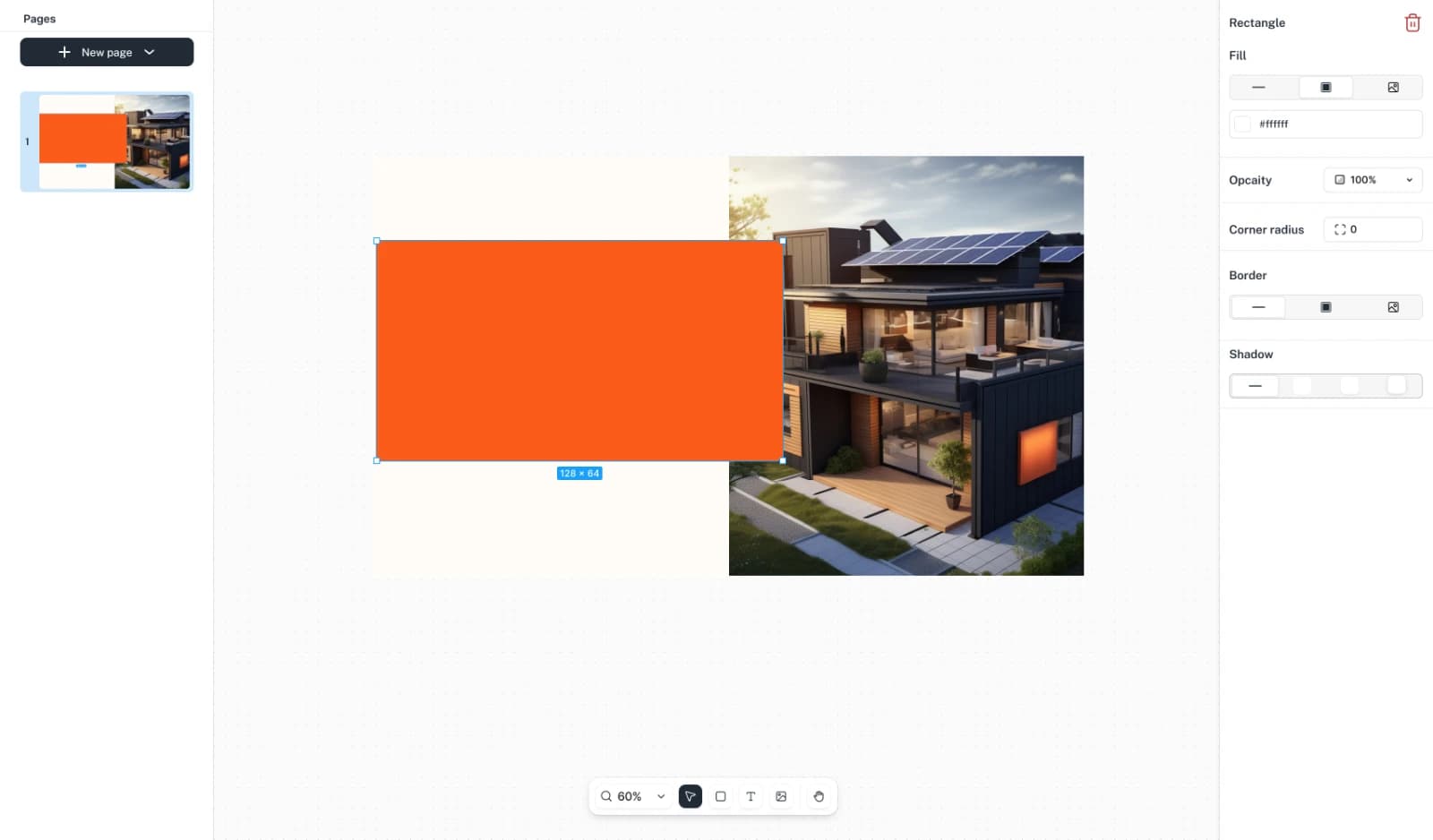
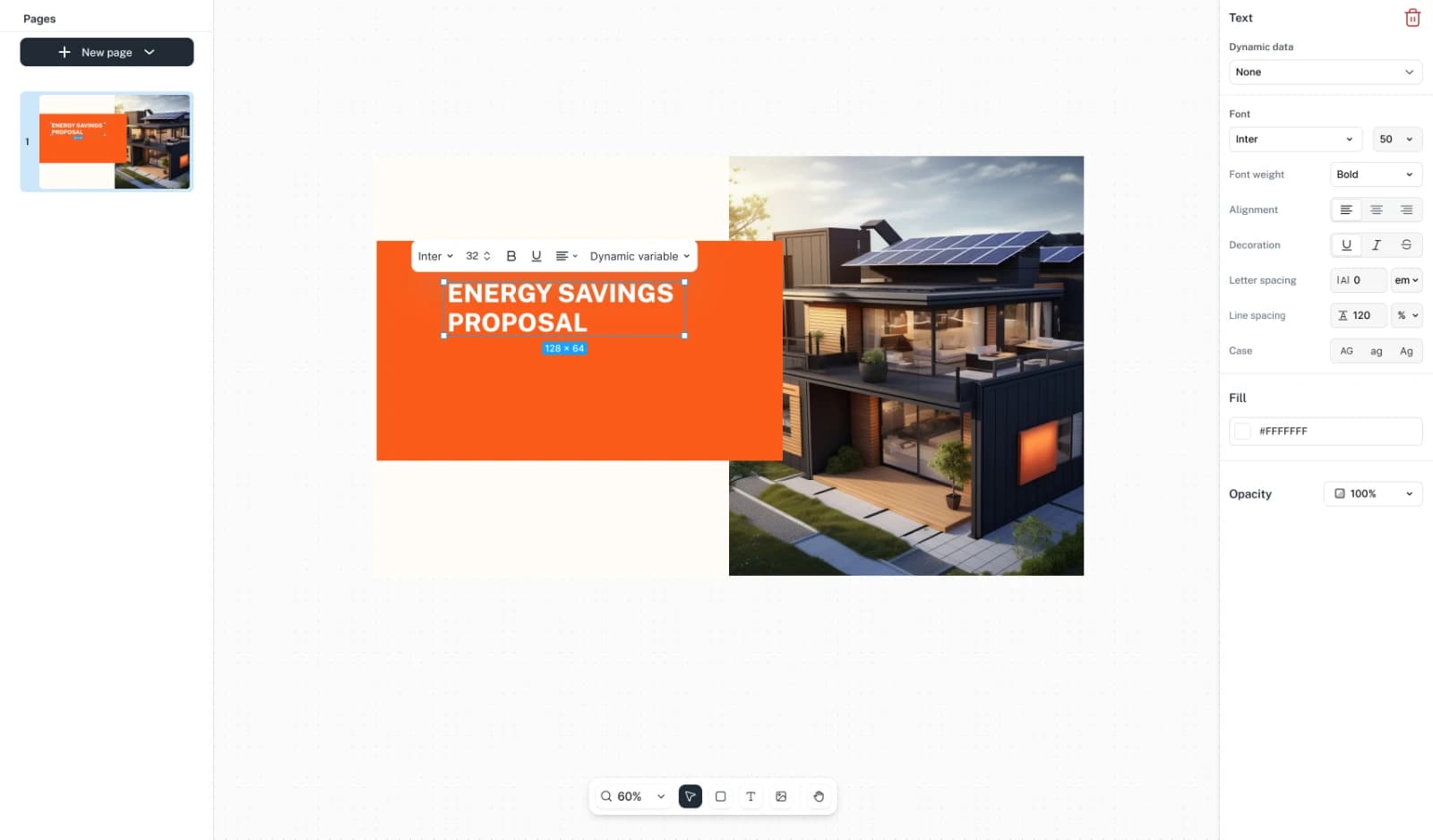
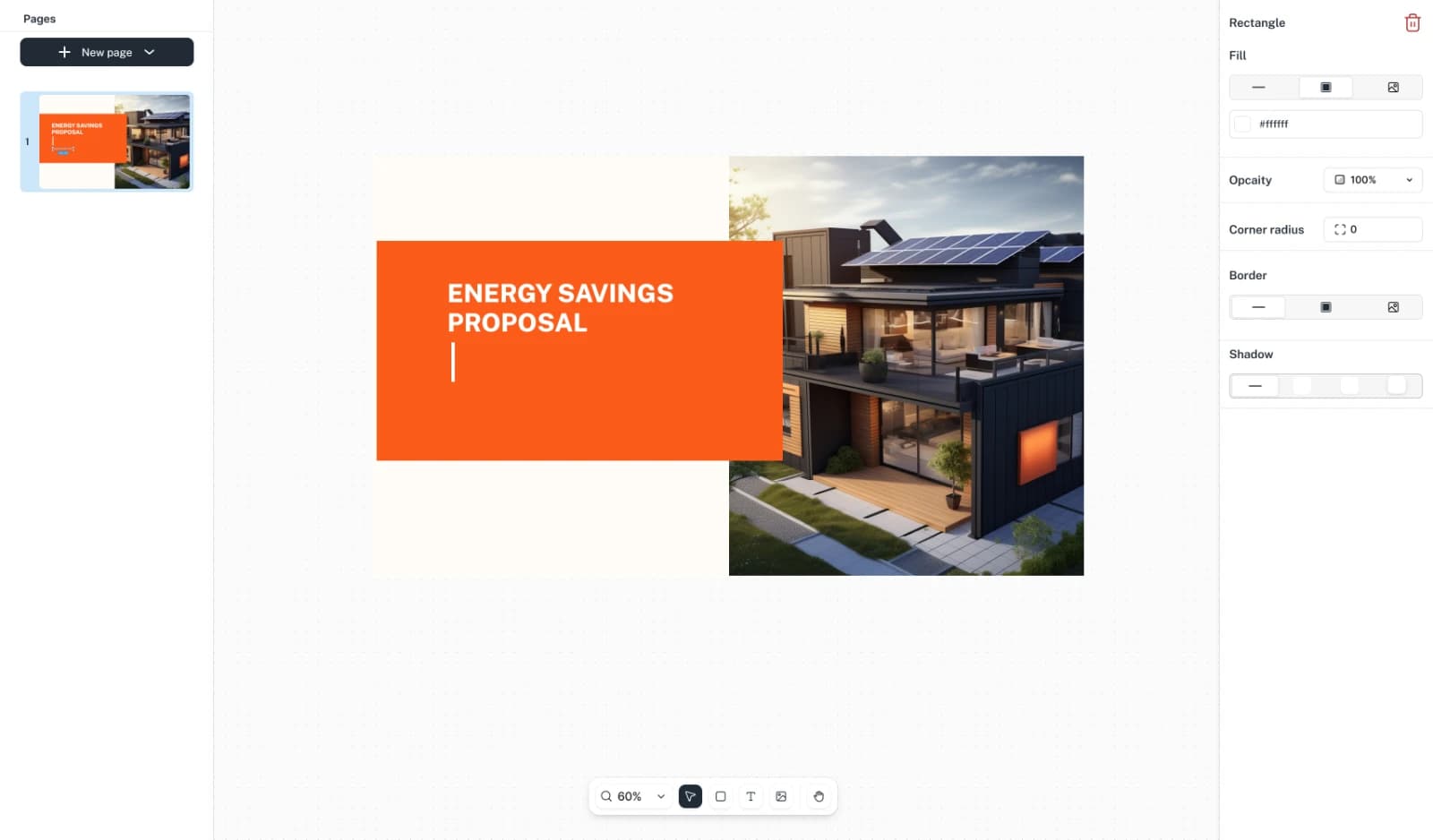
They work on one page at a time, with a page list to reorder or hide pages, an Assets tab for their images, and a toolbar at the bottom for zoom and shapes. Undo and a preview are always close by.
Giving contractors control over the details
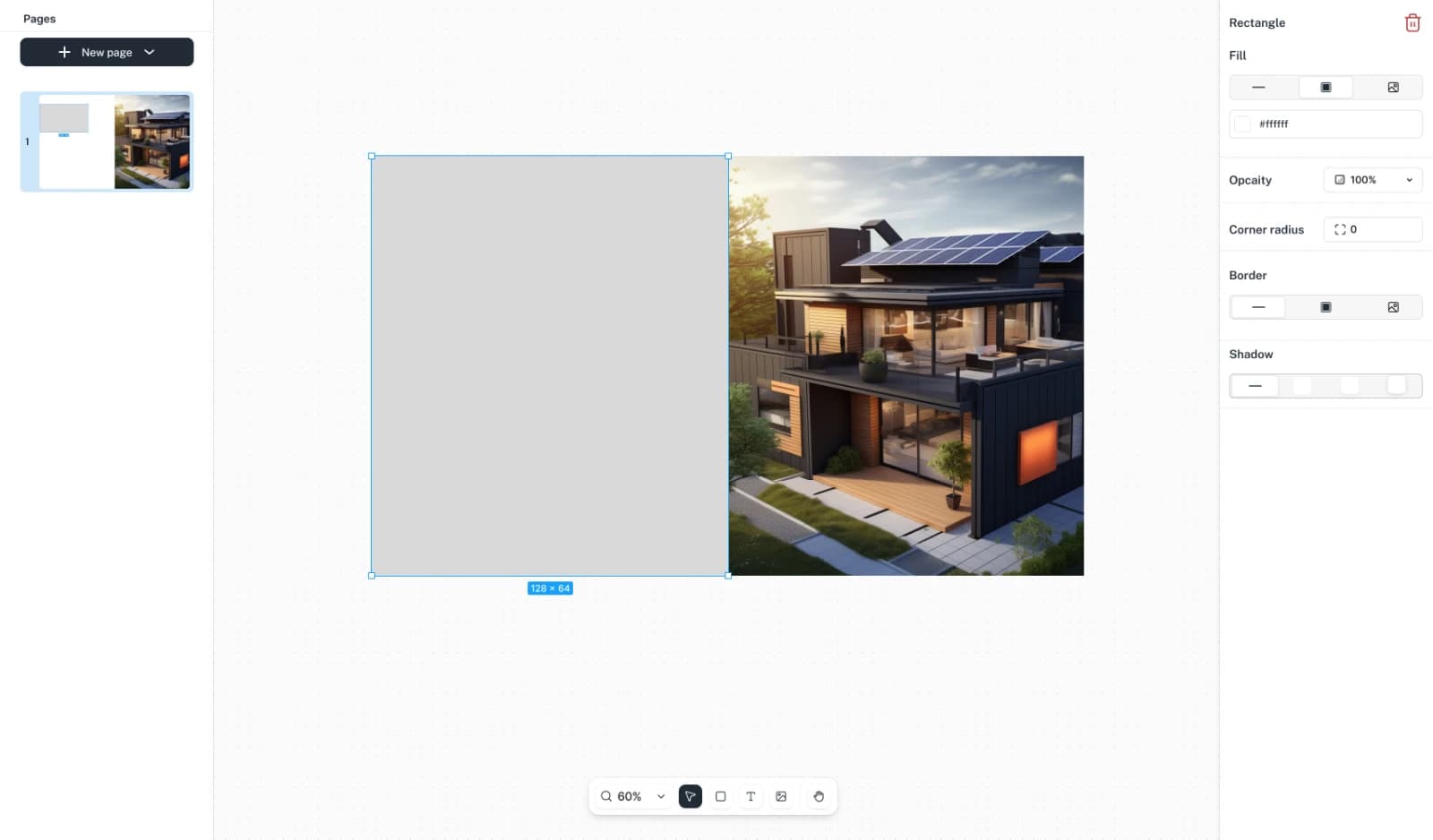
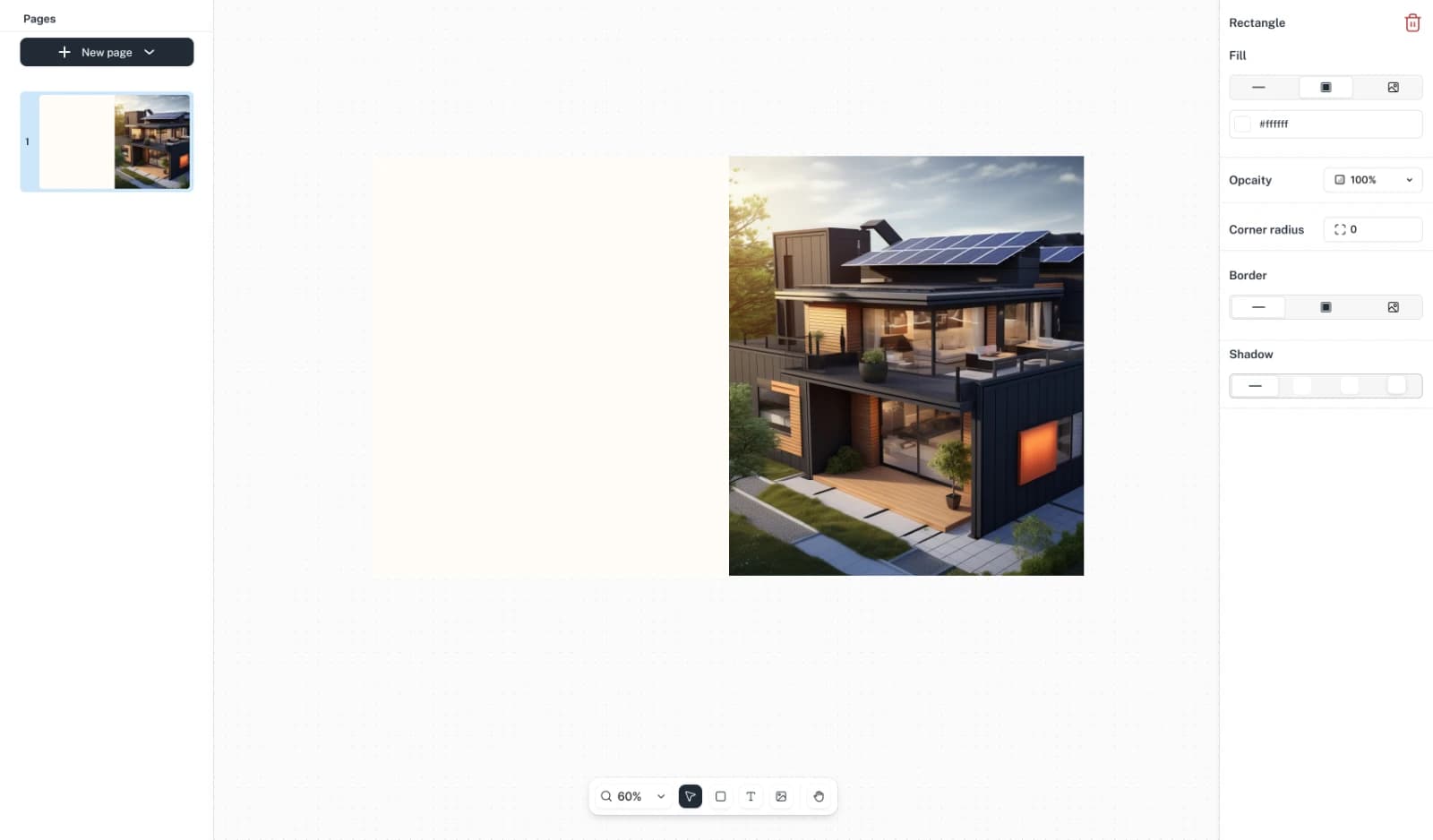
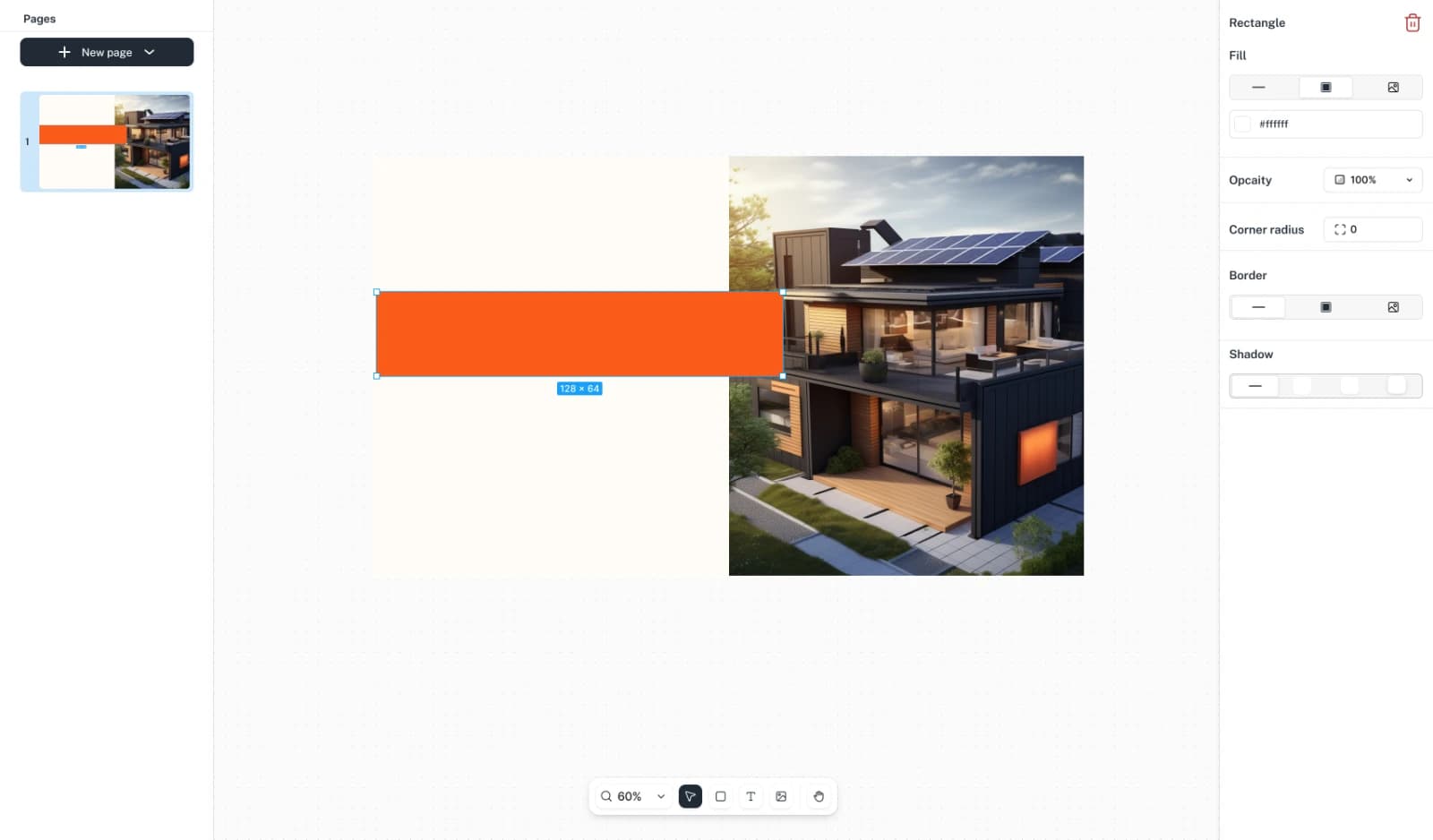
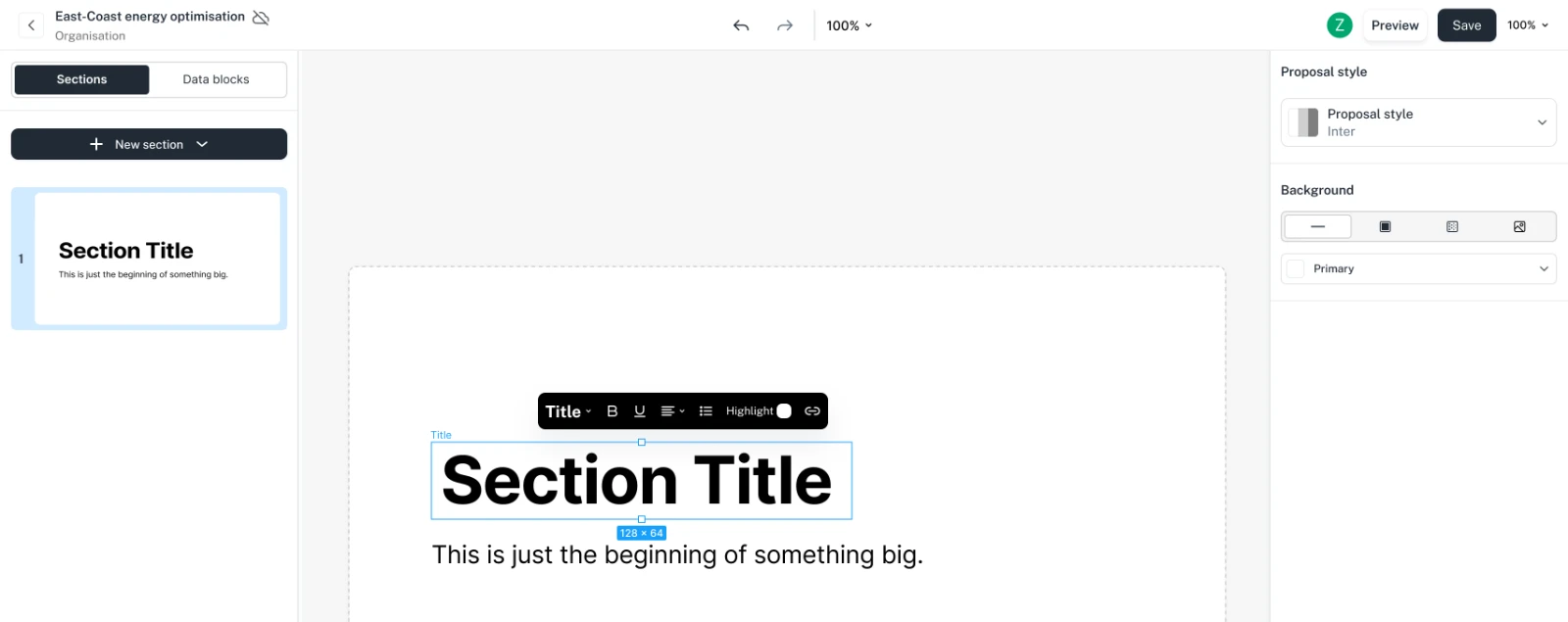
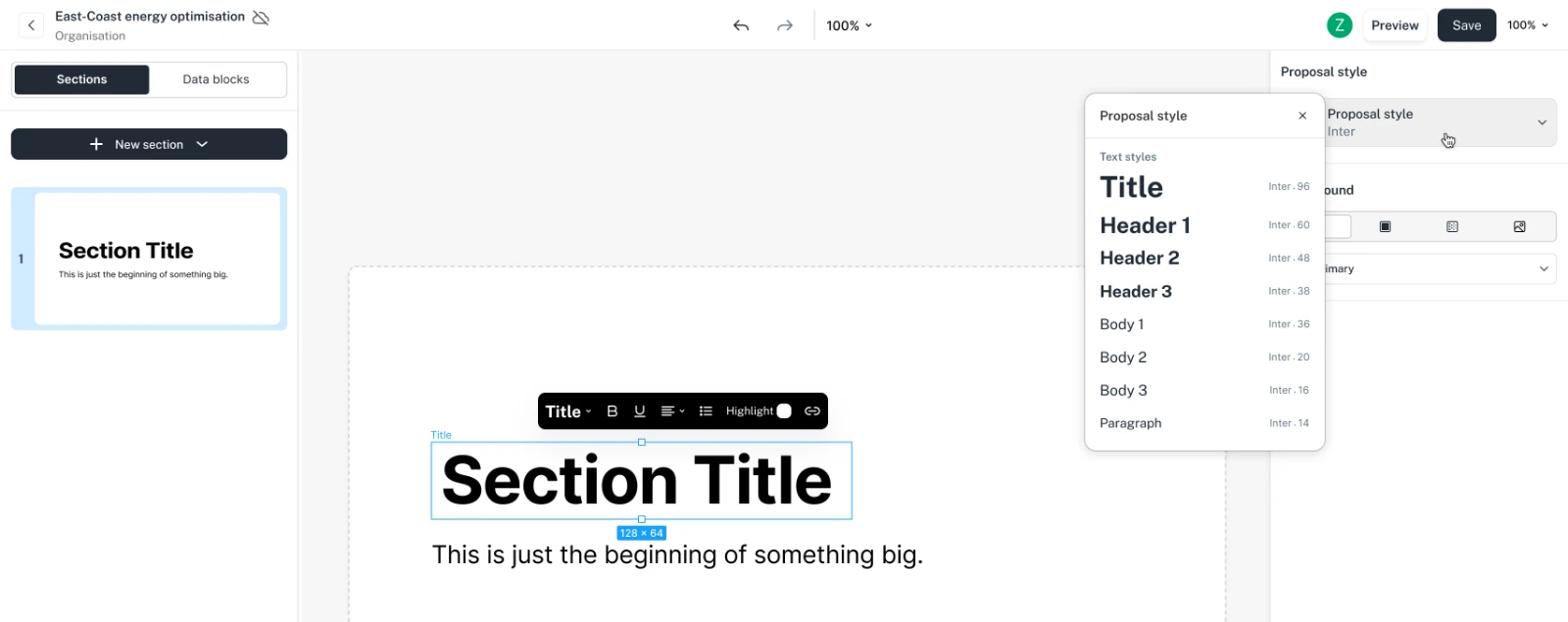
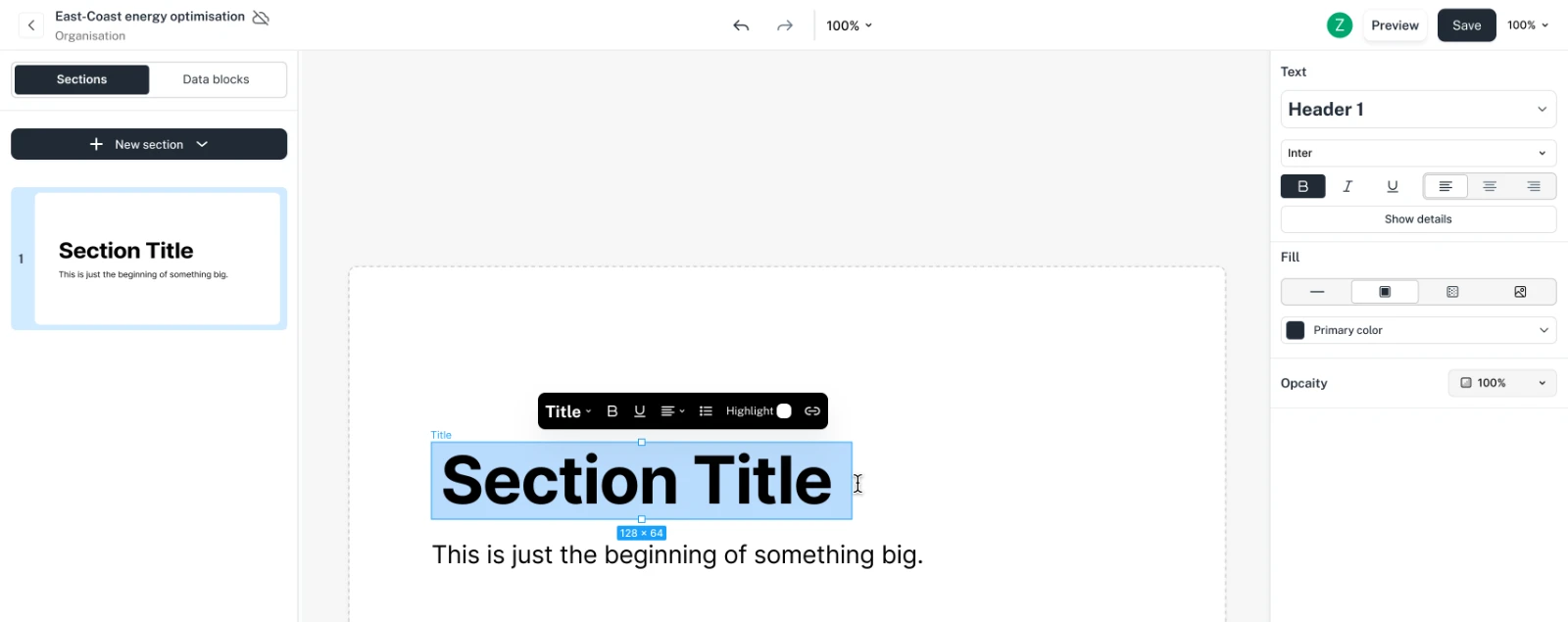
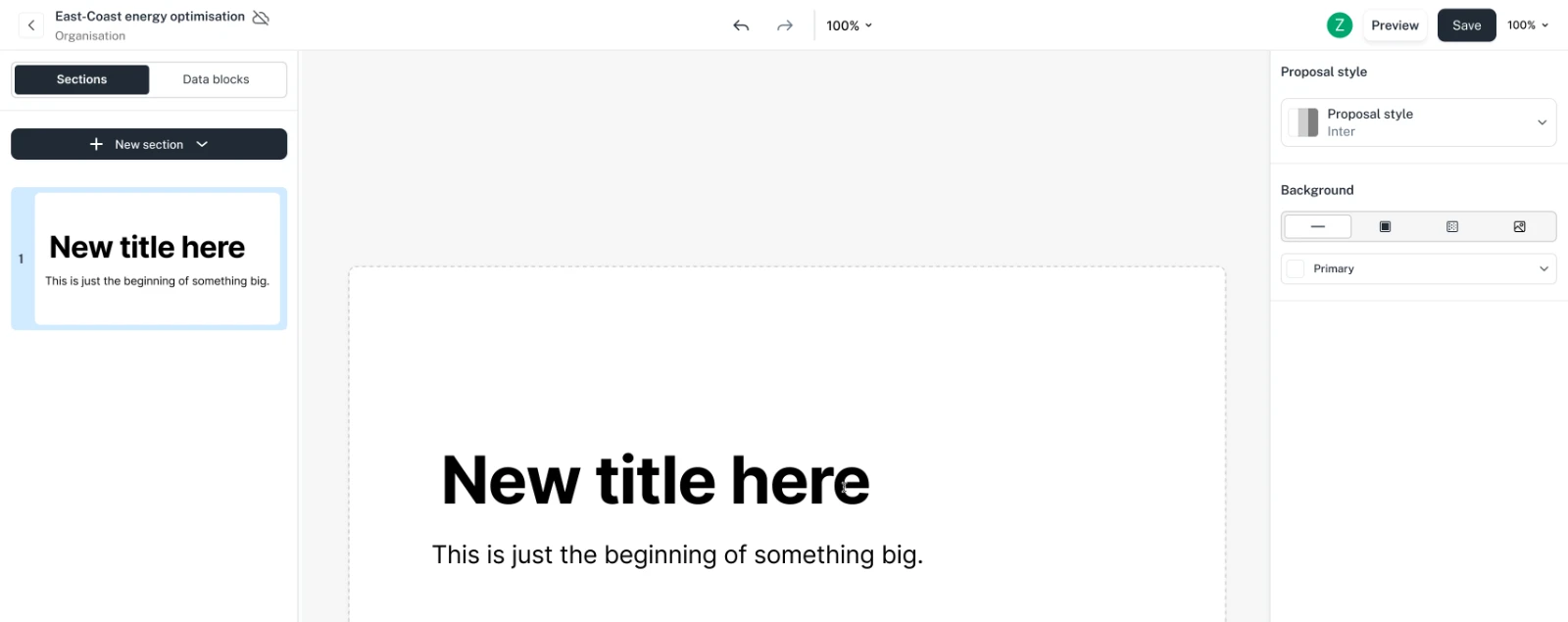
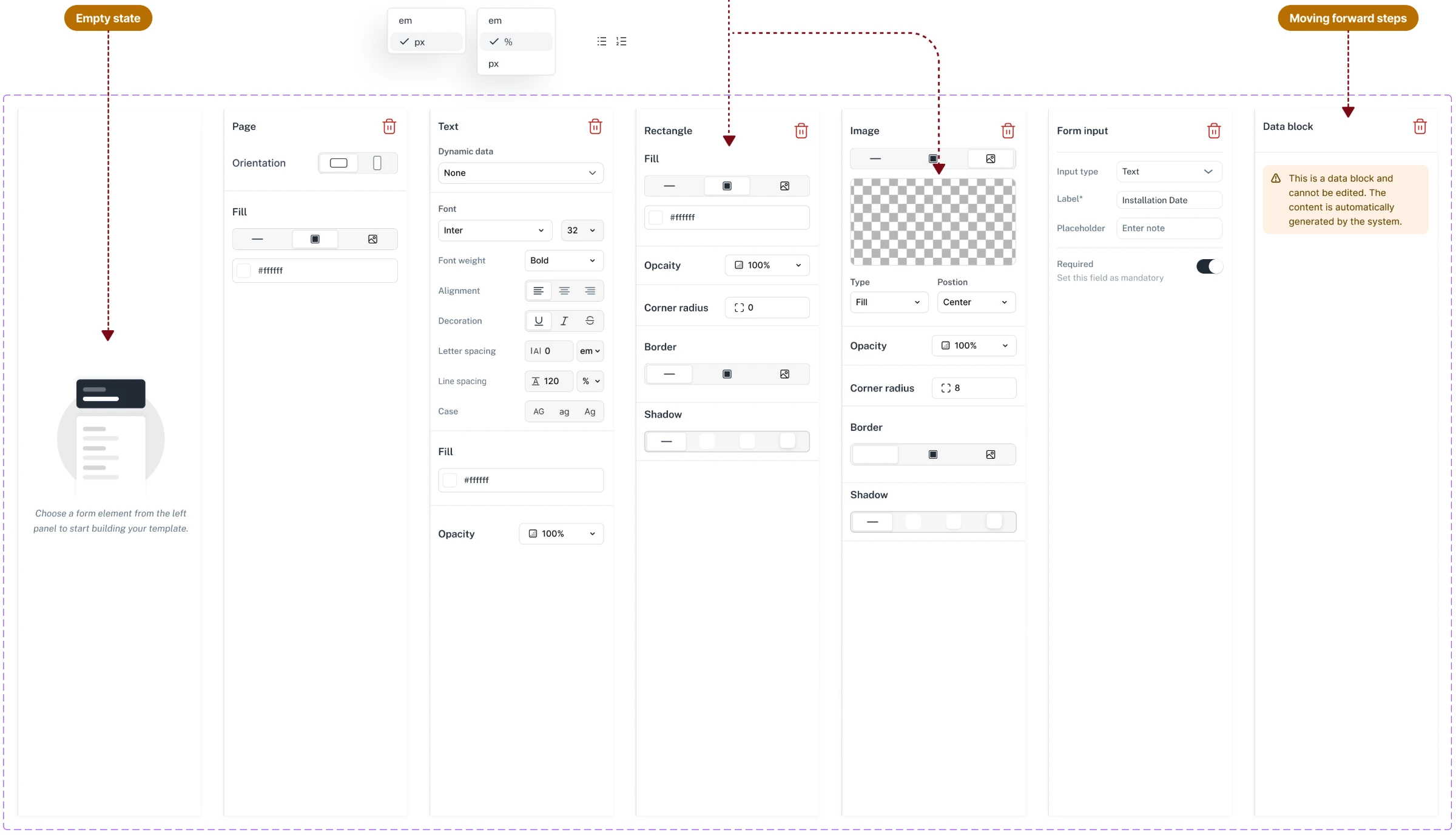
To make templates flexible, I designed property controls for the elements contractors can add to a proposal. Text, shapes, images and forms each needed their own settings, while sharing familiar controls so the editor stayed predictable.
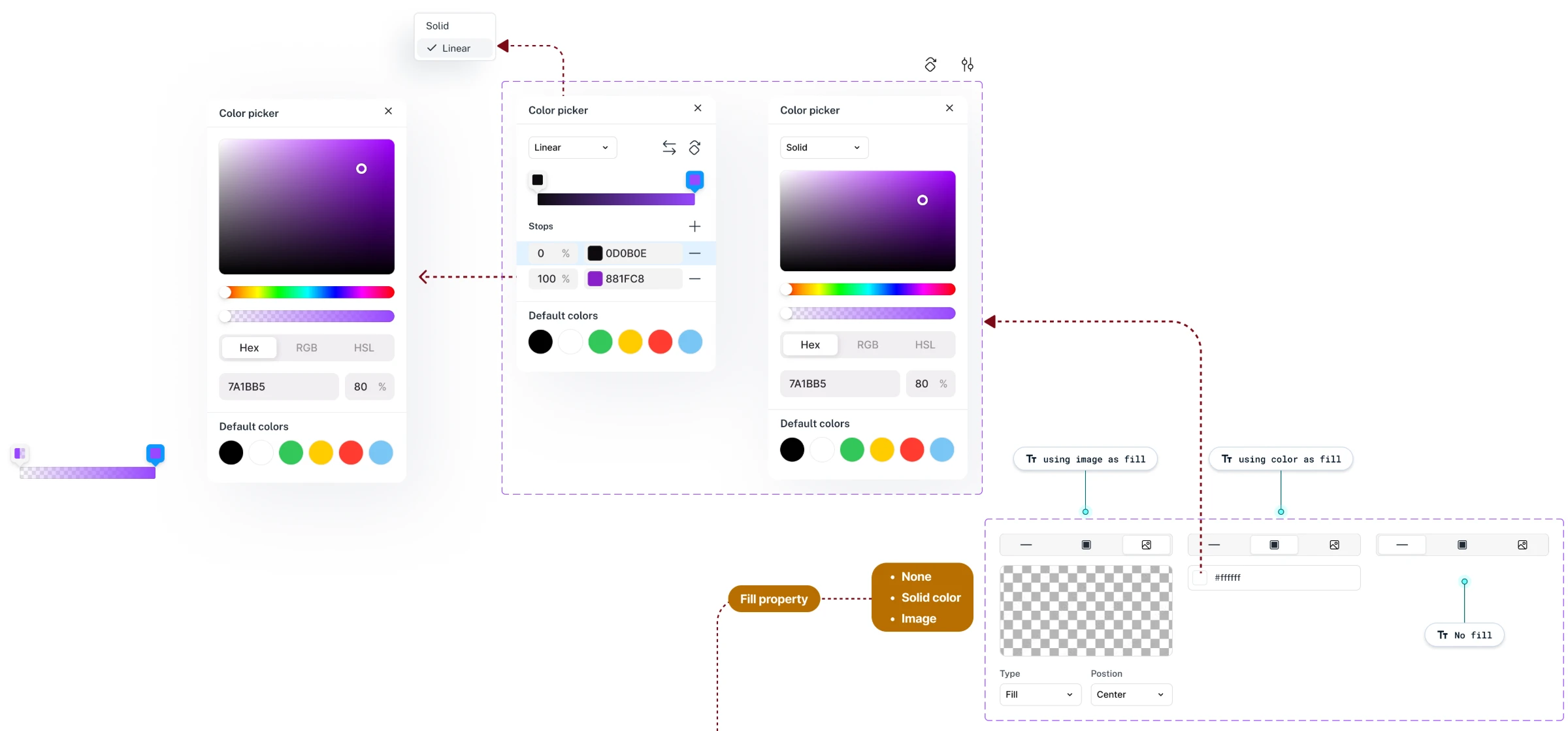
I also explored how colours, gradients and image fills should work across elements. The goal was to give contractors enough control to reflect their brand, without making every edit complicated.
Released to customers
Development started in January 2025, and Proposal Studio is now released to customers. Finished proposals can be exported as a PDF or shared with a link.
It’s designed to keep proposals inside Feldy, keep each company’s branding consistent, and personalise every proposal with the deal’s own information.
Flexibility needs structure
One thing this project reinforced for me is that flexibility doesn’t have to mean complexity. Contractors needed control over how their proposals looked and sounded, but they shouldn’t have to rebuild everything for each customer. The challenge was giving them that freedom while keeping the experience simple.
More projects
Feldy (formerly Aether), YC24 (Feldy’s Y Combinator batch)
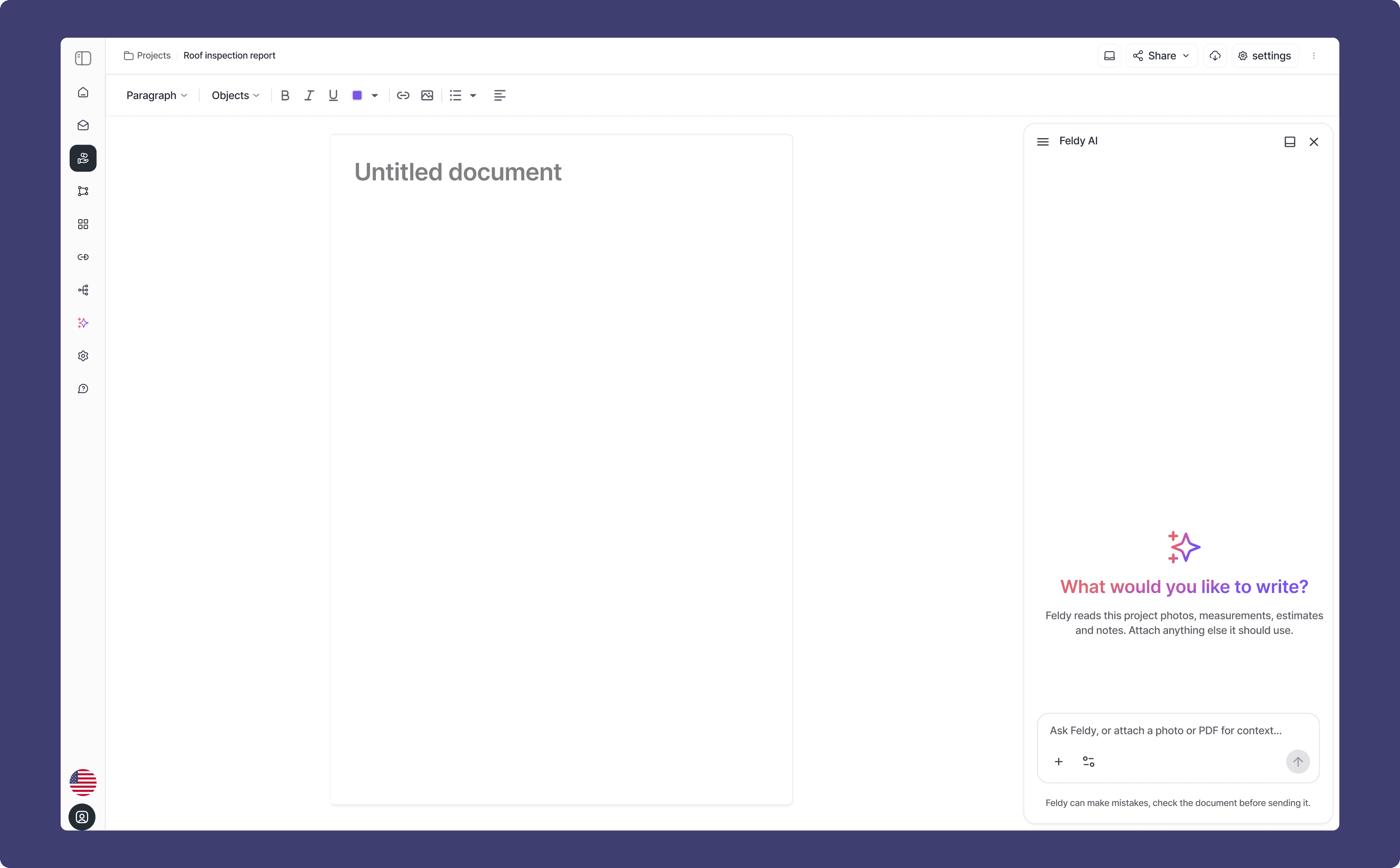
Building a smarter document editor for home service businesses
Rebuilding Notes as Documents, so contractors can create reports using information already in Feldy.
Feldy (formerly Aether), YC24 (Feldy’s Y Combinator batch)
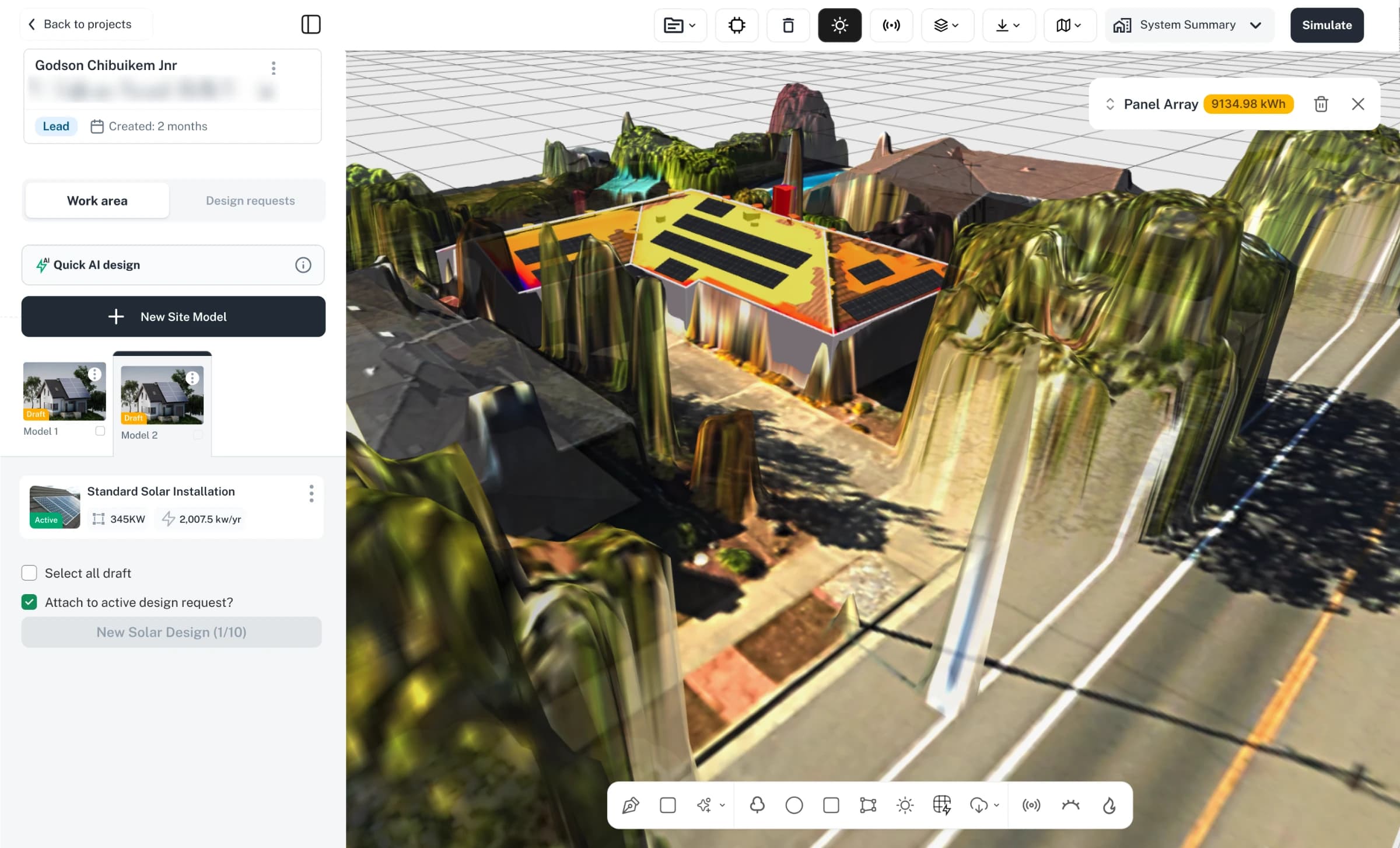
3D CAD Studio: Building a 3D design workspace for contractors
Case study in progressDesigning the core tool installers use to build site models for solar and roofing projects.
Feldy (formerly Aether), YC24 (Feldy’s Y Combinator batch)
Building Feldy’s Component Library in Storybook for frontend
In progressBuilding a reusable design system to bring more consistency to Feldy's AI-assisted design workflow.